How LED Street Name Signs are Superior for Safer Travel
Street name sign visibility plays a direct role in intersection safety, navigation efficiency, and overall roadway performance.
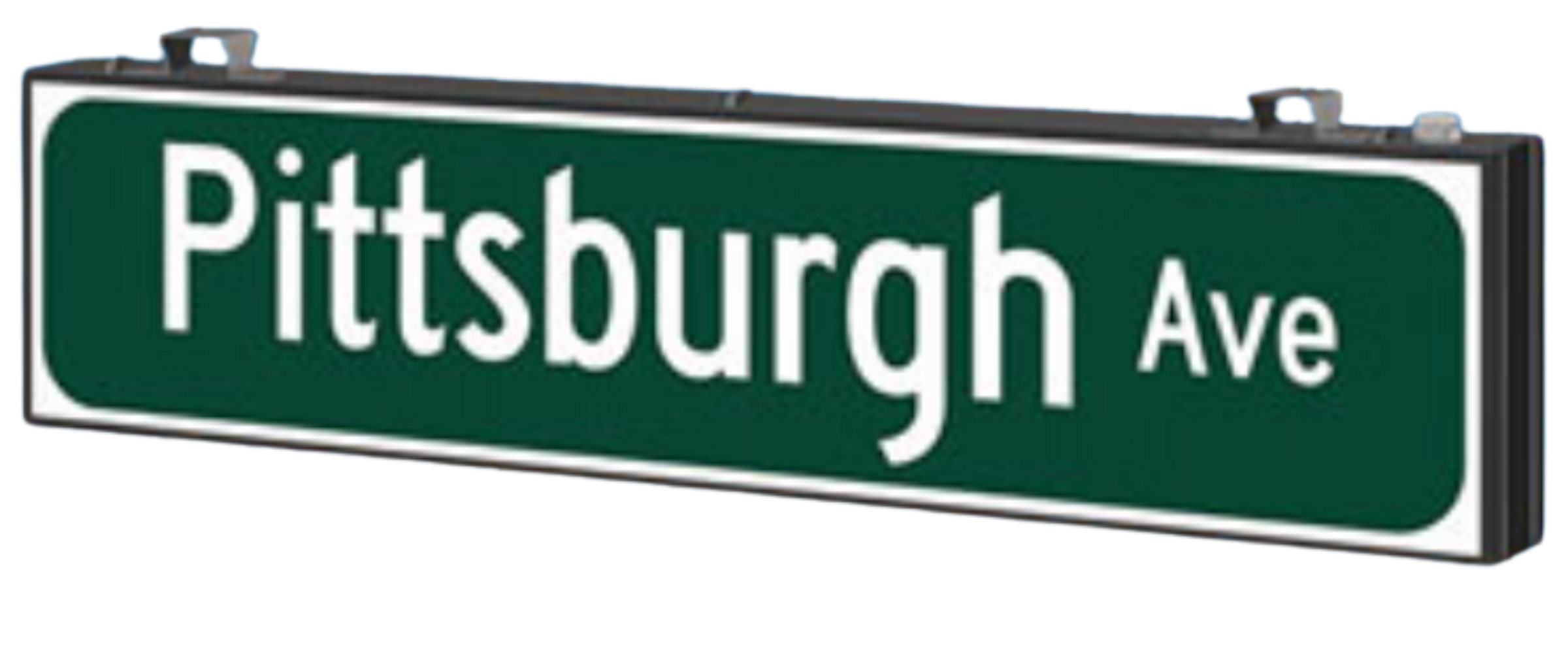
These Signs are Literally Your Guiding Light!
As traffic volumes increase and roadway environments become more complex, traditional retroreflective street name signs can fall short in low-light conditions, adverse weather, and high-speed corridors.
Limitations of Standard Street Name Signs
Traditional street name signs depend on retroreflectivity, which requires adequate headlight illumination at the correct angle. This creates several operational constraints:
Reduced visibility at greater distances
Decreased effectiveness in wet weather or low ambient lighting
Limited readability for aging drivers
Inconsistent performance at complex or offset intersections
The Federal Highway Administration (FHWA) has identified sign visibility as a contributing factor in nighttime crashes, noting that approximately half of all traffic fatalities occur at night despite lower traffic volumes. This highlights the importance of consistent sign visibility in low-light conditions.
How LED Street Name Signs Improve Visibility
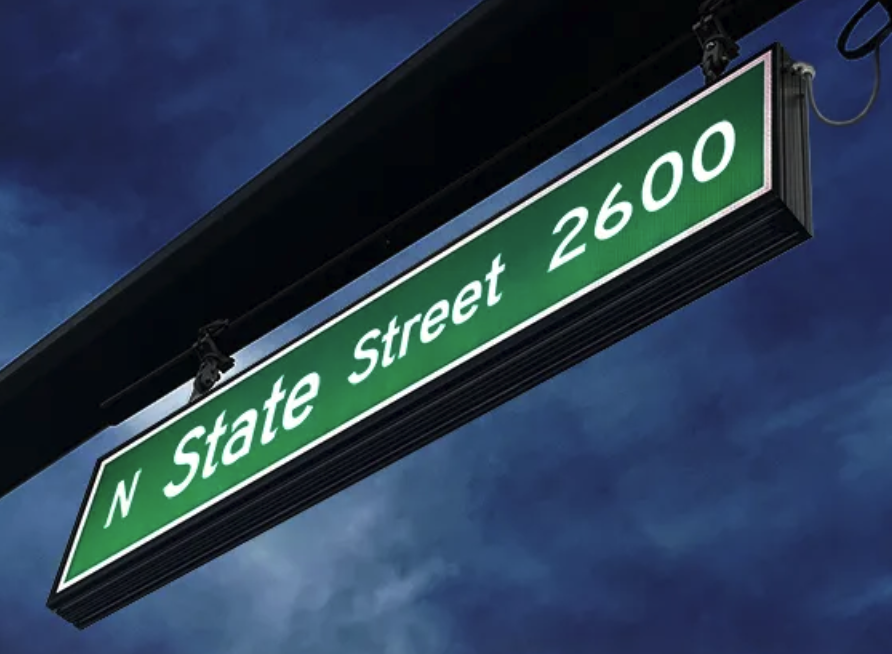
Internally Illuminated Systems:
Improved intersection approach behavior
Reduced last-second lane changes
Made clearer wayfinding for all road users, including pedestrians and cyclists
Internally illuminated LED street name signs provide a constant light source, improving legibility regardless of external lighting conditions. According to Signal-Tech’s SNS product documentation, these signs use perimeter-mounted LED modules delivering a minimum of 105 nits, ensuring consistent brightness across the sign face.
Unlike standard signs, internally illuminated systems:
Maintain readability at longer distances
Provide uniform illumination across the entire sign face
Reduce dependence on vehicle headlights
Improve visibility in rain, fog, and low-light environments
These characteristics support earlier sign recognition, giving drivers more time to make navigation decisions, particularly at signalized intersections and unfamiliar roadways.
Impact on Traffic Safety and Navigation
Improved sign visibility directly supports safer travel by reducing driver hesitation and late decision-making. The FHWA and National Cooperative Highway Research Program (NCHRP) have both emphasized that enhanced sign conspicuity improves driver response time and reduces navigation errors.
For traffic engineers, this translates to:
improved intersection approach behavior
reduced last-second lane changes
clearer wayfinding for all road users, including pedestrians and cyclists
Consistent illumination also benefits multimodal environments where visibility is critical for non-vehicular users.
Durability and Long-Term Performance
LED street name signs are designed for continuous outdoor operation. Signal-Tech’s SNS series incorporates:
IP-66+ rated electrical components for protection against moisture and dust
UV-resistant acrylic face panels to reduce glare and maintain legibility
LED lifespans ranging from 50,000 to 100,000 hours, minimizing maintenance cycles
The cabinet design uses lightweight extruded aluminum with accessible mounting and service points, allowing for efficient installation and maintenance in the field. These factors are critical for agencies managing large inventories of traffic control devices.
Integration with Traffic Signal Infrastructure
Internally illuminated street name signs can be integrated directly into existing traffic signal systems. The SNS series is designed to connect to the intersection’s traffic control cabinet, allowing synchronized operation with signal timing.
An optional photocell is available for standalone applications where cabinet integration is not feasible. This flexibility supports deployment across a wide range of intersection types, from urban corridors to suburban and rural roadways.
Why Agencies Are Transitioning to LED Street Name Signs
The transition toward LED street name signs is driven by a combination of safety, performance, and lifecycle cost considerations.
At Texas Highway Products, products like Signal-Tech’s internally illuminated street name signs are selected based on these criteria. The focus is on providing traffic engineers and municipalities with solutions that perform reliably in real-world conditions while supporting safer and more efficient roadway operations.
Conclusion
LED street name signs provide a measurable improvement over traditional retroreflective signage by delivering consistent visibility, improved legibility, and long-term durability.
As traffic infrastructure continues to evolve, internally illuminated signage represents a practical step toward improving intersection safety and navigation without requiring significant changes to existing roadway layouts.
For agencies focused on reducing risk and improving operational clarity, LED street name signs are not just an upgrade, they are a functional improvement in how roadway information is delivered to the public.
Sources
Signal-Tech SNS Brochure: https://www.signal-tech.com/downloads/signal-tech-sns-brochure.pdf
Signal-Tech Highway Products Overview: https://www.signal-tech.com/products/highway
Federal Highway Administration (FHWA) – Nighttime Visibility and Traffic Safety: https://highways.dot.gov
National Cooperative Highway Research Program (NCHRP) – Traffic Control Device Visibility Research